







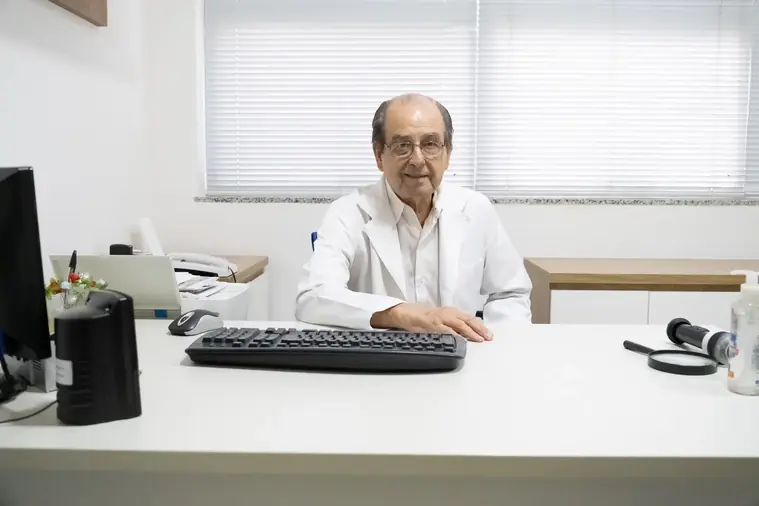

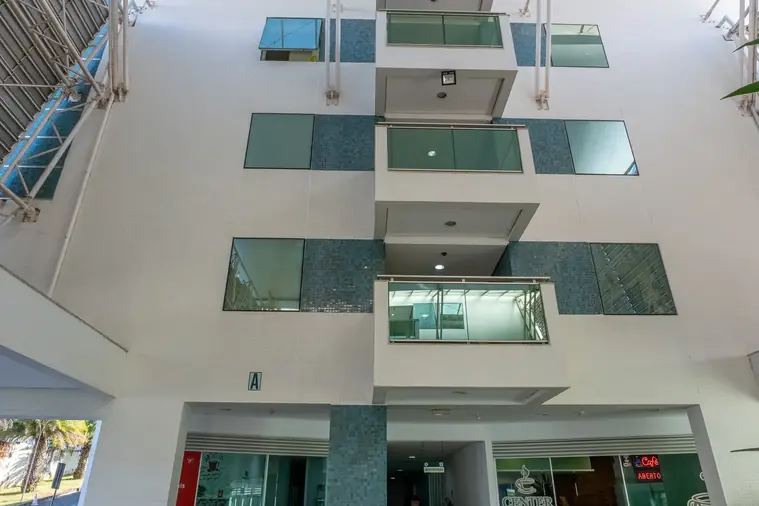


Brasília Medical Center, location of Dr. Roberto Azambuja’s clinic

Clinical dermatology • Vitiligo • Brasília

Experience that spans generations.

Attentive medical care, precise diagnosis and a career dedicated to skin health.

Dr. Roberto Doglia AzambujaCRM DF 636RQE 1491
Brasília Medical CenterBlock A • Suite 17
0111
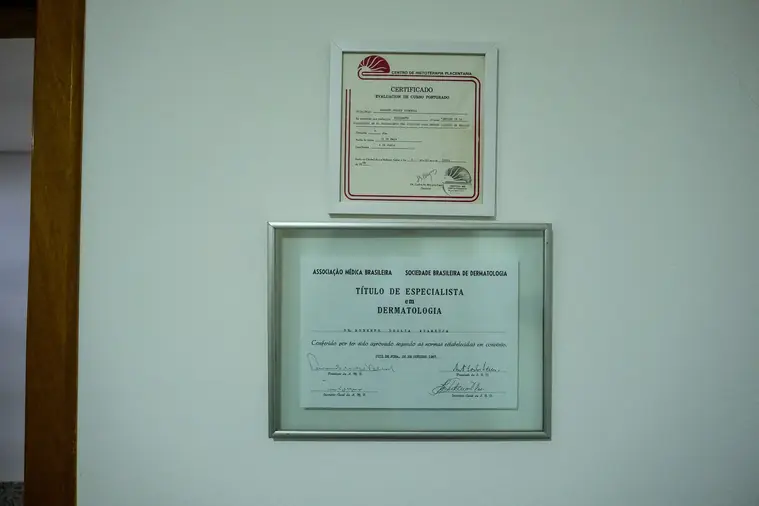
1967Specialist certification
VitiligoDedicated experience
Since 2007VTRAC phototherapy
BrasíliaIn-person care
Dr. Roberto Doglia Azambuja, médico dermatologista em Brasília

Medical career

Knowledge, presence and listening.

Roberto Doglia Azambuja is a dermatologist, CRM DF 636 and RQE 1491, with a professional life dedicated to dermatology and vitiligo care.

He graduated from the Federal University of Rio de Janeiro School of Medicine in 1964 and received specialist certification from the Brazilian Society of Dermatology in 1967.

He worked for the Federal District Health Department from 1968 to 1974 and at the University Hospital of Brasília from 1976 to 1988, focusing on vitiligo treatment.

He completed a one-year placement at the University of Vienna’s First Dermatology Clinic in 1974 and vitiligo training in Havana, Cuba, in 1988.

He volunteered with the dermatology service at the University Hospital of Brasília from September 1988 through December 2019.

View full Doctoralia profile

Career milestones

A life shaped by dermatology.

1964Medical degree from UFRJ
1967Brazilian Society of Dermatology certification
1974Placement at the University of Vienna
1976–1988University Hospital of Brasília
1988Vitiligo training in Havana
1988–2019Volunteer work at HUB

Treatments

Vitiligo requires individual care.

Patches, skin and response to treatment differ for each person. Dermatological assessment guides the selection and monitoring of every method.

01

What is vitiligo?

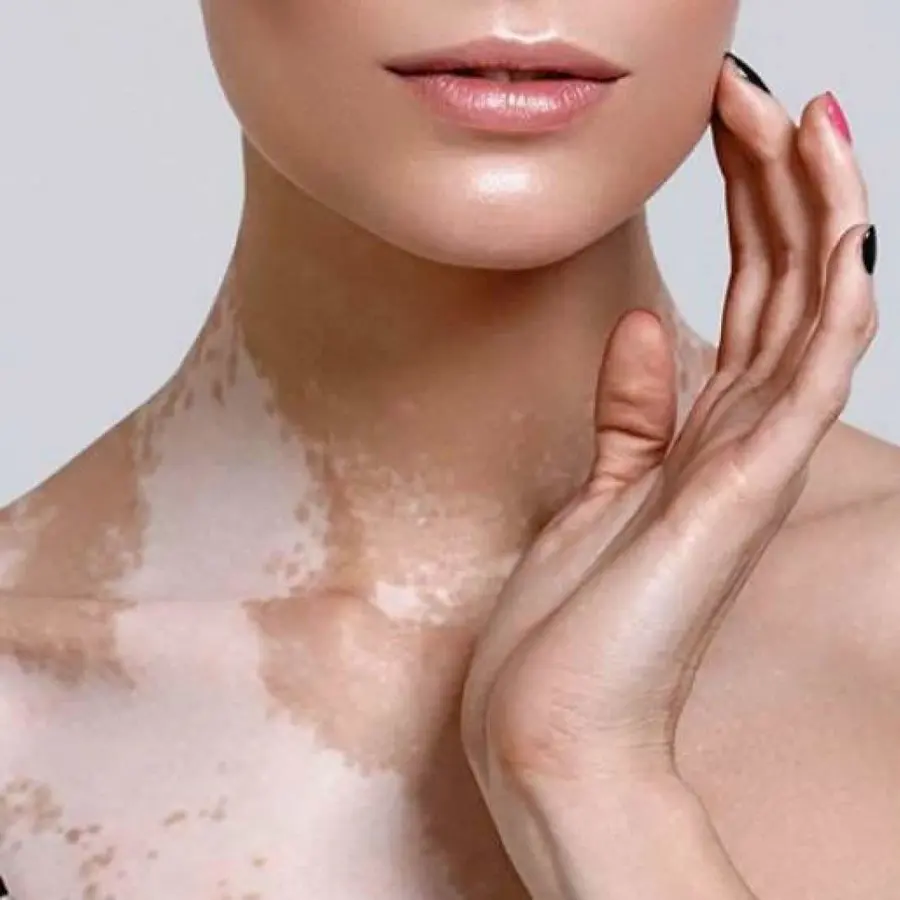
Vitiligo is a skin condition caused by loss of melanin in certain areas, resulting in white patches. It can affect any area, skin tone, sex or age. It is not contagious and may be associated with autoimmune conditions.

The patches form when melanocytes are reduced or absent. Autoimmune mechanisms may be involved, while emotional changes or trauma may act as triggers or aggravating factors.

02

Medication-based treatments

Depending on the clinical picture, topical or oral medication may be used under dermatological assessment and prescription.

03

Physical treatments

Ultraviolet radiation may stimulate melanin production. Options include PUVA, 311 nm narrowband UVB and targeted 308 nm UVB.

04

Surgical approaches

These may be considered in selected cases, especially for small and stable patches, according to their location and medical indication.

Targeted dermatological phototherapy application
Targeted phototherapy
Educational clinical image related to vitiligo follow-up
Individual follow-up
Educational clinical record related to skin repigmentation
Skin response and progress
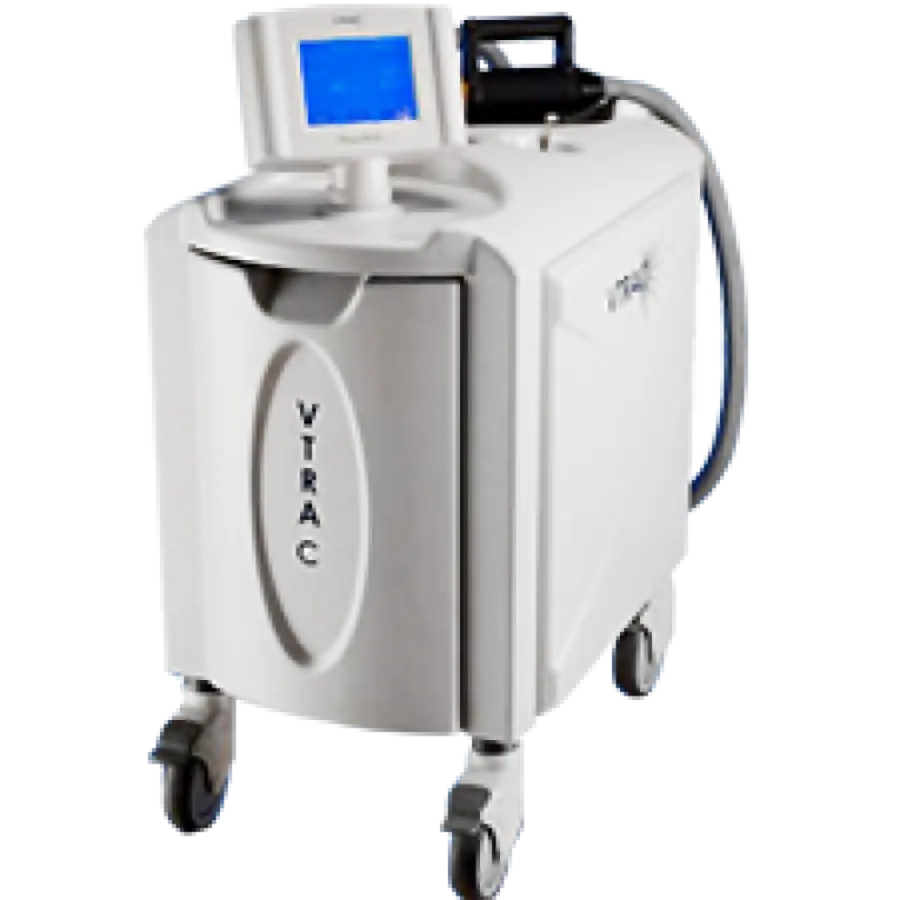
Equipamento de fototerapia UVB 308 nm VTRACUsed at the clinic since 2007

Targeted phototherapy

UVB 308 nm VTRAC

VTRAC treatment applies ultraviolet B radiation at 308 nanometers directly to the patches, generally once a week.

Application is targeted and painless. It stimulates migration and proliferation of melanocytes from hair follicles and triggers immunomodulatory effects.

The clinic has used this phototherapy since 2007, alone or combined with oral and topical medication according to dermatological assessment.

Book an assessment
Responsible information

This page is educational and does not replace an appointment, diagnosis or individual prescription. Do not self-medicate or undertake procedures without a dermatologist’s guidance.

Complete reading about vitiligo and treatment

What is vitiligo?

Vitiligo is a skin condition caused by the loss of melanin in certain areas, resulting in white patches. It can affect any skin tone, sex or age. It is not contagious.

The condition involves a reduction or absence of melanocytes, the cells that produce melanin. Autoimmune mechanisms appear to play a role, and emotional or physical events may act as triggers or aggravating factors.

Treatment is individualized and usually requires time because repigmentation is gradual. The goal may be to stabilize the condition, prevent new patches and encourage repigmentation.

Treatment options

Depending on the clinical picture, treatment may involve topical or oral medication, targeted phototherapy, narrowband UVB and, in selected stable cases, surgical techniques.

VTRAC applies targeted UVB radiation at 308 nm directly to the patches. The clinic has used this technology since 2007, alone or combined with medication when medically indicated.

All treatment must be prescribed and monitored by a dermatologist. This information is educational and does not replace an individual medical assessment.

The clinic

Contemporary facilities, attentive care.

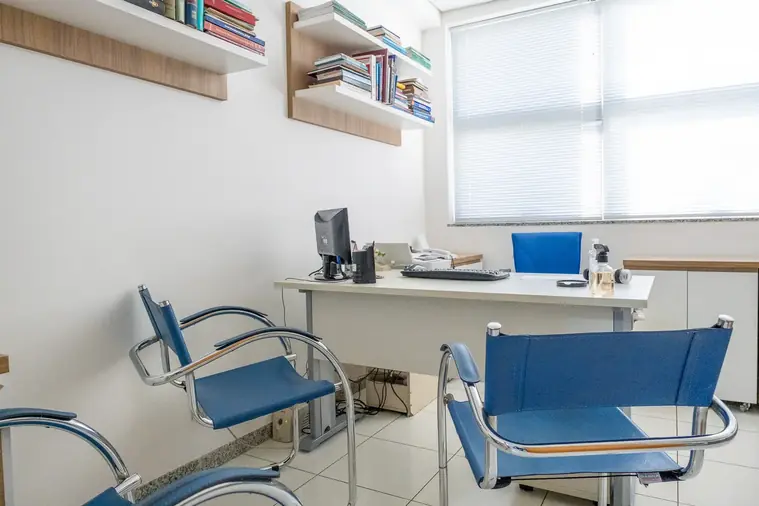
Roberto Azambuja Clinic is located at Brasília Medical Center, Block A, Suite 17, with easy access from SGAN 607 in Brasília.

Patient reviews

Trust built appointment after appointment.

5,0722 reviews published on DoctoraliaRead the reviews
★★★★★

Care was described as humane, welcoming and delivered with great humility.

Verified patientDoctoralia
★★★★★

Dr. Roberto’s experience and knowledge provided confidence throughout the appointment.

Verified patientDoctoralia
★★★★★

A long-term patient highlighted dedicated care and positive progress in vitiligo treatment.

Verified patientDoctoralia
★★★★★

A careful, objective appointment led by a professional regarded as exceptional.

Verified patientDoctoralia
★★★★★

Competence, attention, warmth and care were the qualities most often remembered.

Verified patientDoctoralia
★★★★★

Punctuality, clear explanations and diagnostic precision brought peace of mind.

Verified patientDoctoralia
★★★★★

The appointment stood out for attentive listening, a clear diagnosis and detailed guidance.

Verified patientDoctoralia
★★★★★

Families who have attended for years emphasize trust, safety and consistent results.

Verified patientDoctoralia
★★★★★

Empathy, experience and an accurate assessment shaped an excellent experience.

Verified patientDoctoralia
★★★★★

Specific knowledge about vitiligo and reassuring explanations received special praise.

Verified patientDoctoralia
★★★★★

A pleasant environment and clear explanations helped the patient feel comfortable.

Verified patientDoctoralia
★★★★★

A thorough assessment, complete guidance and gentle care made a difference.

Verified patientDoctoralia

Summaries of verified public reviews. Full reviews are available on Doctoralia.

Medical content

Information to understand vitiligo.

Articles originally published on October 16, 2018, preserved in a clearer and more accessible reading experience.

01Vitiligo • medical readingWhat causes vitiligo?

What is known about heredity, genetic predisposition and factors that may trigger the condition.

The exact cause of vitiligo has not yet been determined.

Hereditary vitiligo occurs in two or more first- or second-degree relatives. It may involve genes programmed to trigger the condition at some point in life or genes activated by occasional factors. Around 10% to 15% of cases fall into this group, often called genetic vitiligo.

Vitiligo at birth is extremely rare. Even hereditary vitiligo usually appears after the first year of life.

Most people with vitiligo have no affected ancestors. One hypothesis is that one or more inactive genes may be activated by internal or external factors. This pattern is often described as epigenetic vitiligo.

Possible triggers vary from person to person and may include inflammation, infections, physical trauma, burns, sunlight, hormones, environmental exposure, emotional events and stress. Because each person is unique, prevention and treatment must be discussed individually with a dermatologist.

Book a dermatological assessment
02Vitiligo • medical readingIs vitiligo caused by stress?

How traumatic events and stress may influence the course of skin patches.

Stress can influence the course of vitiligo, just as it can affect other health conditions and immune responses.

However, stress is not considered the cause of vitiligo. It may act as an important trigger in some people, particularly after traumatic events. Other possible triggers include skin trauma, burns, sun exposure and inflammatory skin conditions.

Not every case should be attributed to stress. The relationship is individual and difficult to measure.

When post-traumatic stress is present, psychological support may help reduce its impact and support overall care.

Book a dermatological assessment
03Vitiligo • medical readingBenefits of excimer treatment

How targeted 308 nm UVB works and which factors influence skin response.

Excimer technology delivers targeted ultraviolet B radiation at 308 nanometers and may be used in the treatment of localized vitiligo.

It targets the affected areas while limiting exposure of unaffected skin. Temporary redness, occasional blistering or darkening around the spots may occur and should be monitored by the dermatologist.

Treatment may be combined with topical or systemic medication when medically indicated. Sessions are generally painless and the schedule depends on the clinical assessment and skin response.

Results vary according to the location, skin type, size and age of the patches, as well as each person’s response. Face and neck often respond more readily than hands and feet.

Book a dermatological assessment
04Vitiligo • medical readingWhat is the best treatment for vitiligo?

Why response varies and why care must be individualized.

There is no single treatment that works equally well for everyone with vitiligo.

The dermatologist considers skin type, location and age of the patches, previous treatments and the presence of pigment before choosing an approach.

The response is assessed over time. A plan may be maintained when the condition stabilizes and repigmentation appears, or adjusted when the response is not favorable.

The best treatment is therefore the one that best matches the individual clinical picture and response.

Book a dermatological assessment
05Vitiligo • medical readingTreatments for vitiligo

An overview of medication-based, physical and surgical approaches.

Vitiligo treatment is individualized. Current approaches aim to stabilize the condition and encourage repigmentation of affected areas.

Options may include topical or oral medication, physical treatments with ultraviolet radiation and, in selected stable cases, surgical techniques.

Phototherapy options described in medical practice include PUVA, narrowband UVB at 311 nm and targeted UVB at 308 nm.

Every option requires dermatological assessment, follow-up and realistic expectations about the time needed for the skin to respond.

Book a dermatological assessment
06Vitiligo • medical readingCan vitiligo be cured?

The importance of individual response, early treatment and persistence.

Vitiligo is a persistent condition in which areas of the skin lose pigment and form white patches.

The possibility of repigmentation varies and depends on the person’s biological response, how early treatment begins and adherence to medical guidance.

Some people respond quickly and others slowly. Newer patches may have a better chance of response because pigment-producing cells may still be present.

Dermatological follow-up is essential to define goals, monitor progress and adjust treatment safely.

Book a dermatological assessment

Care in Brasília

Your skin deserves time, attention and experience.

Choose the most convenient way to book an appointment with Dr. Roberto Azambuja.

Contact and location

Clínica Roberto Azambuja

SGAN 607
Edifício Brasília Medical Center
Bloco A • Sala 17
Brasília • DF
Book now